The Art of Custom Design T-Shirts: From Concept to Wardrobe Staple
There is something quietly powerful about wearing a shirt that no one else owns. In an era dominated by fast fashion and identical logos, the desire for clothing that speaks to individual taste has grown steadily. Custom design t-shirts sit at the intersection of self-expression and craftsmanship. They are not just fabric with ink. They are statements of identity, tools for storytelling, and sometimes the start of a small business.
I have spent years helping people turn rough sketches and vague ideas into finished garments. The process is rarely straightforward, but that is precisely what makes the result so rewarding. When someone holds a shirt that started as a napkin drawing or a late-night text message, the connection to the piece is immediate. It is theirs in a way that nothing off the rack can ever be.
Connect with us on Instagram.
Why Custom Design Matters Beyond the Trend
Walk into any clothing store and you will see racks of shirts designed by someone who has never met you. They are made for an average customer, which means they fit no one perfectly. Custom design t-shirts flip that logic around. They start with a person, a group, or a cause and work outward from there. The result is clothing that carries meaning.
I once worked with a local running club that wanted shirts reflecting their specific route through a city park. They did not want a generic runner silhouette. They wanted the exact turn at the old oak tree and the steep hill by the playground. That kind of detail is impossible to buy. It has to be designed. The shirts became a badge of belonging. Every time someone wore one, they were not just wearing fabric. They were wearing a shared memory.
The Process Behind the Scenes
Creating a custom shirt involves more than picking a color and uploading a logo. The best results come from a conversation. The designer needs to understand the intended use, the audience, and the feeling the shirt should evoke. A shirt for a family reunion might lean toward warm colors and playful fonts. A shirt for a corporate team-building event might need cleaner lines and a more restrained palette.

Material choice matters just as much. A heavy cotton shirt feels durable and casual. A tri-blend fabric drapes softer and moves with the body. The same design printed on different fabrics can look like two entirely different products. I always ask clients to think about where the shirt will be worn. Will it sit under a blazer at a conference? Will it be worn on a hot afternoon at a festival? The answers guide every decision after that.
Printing methods also vary. Screen printing works well for bold designs with limited colors. Direct-to-garment printing allows for photographic detail and gradients. Embroidery adds texture and longevity. Each method has trade-offs in cost, durability, and aesthetic. A good designer explains these options without overwhelming the client. The goal is to match the technique to the vision, not to push a particular method.
Practical Considerations for First-Timers
If you are new to ordering custom design t-shirts, a few things can save you time and frustration. Start with a clear idea of what you want the shirt to communicate. It can help to gather reference images, even if they are not perfect. A designer can work with rough inspiration as long as they understand the direction.
Be realistic about quantities. Ordering a single shirt is perfectly fine for a personal project. For groups, ask everyone what sizes they prefer before placing the order. Nothing wastes budget like a box of shirts in sizes no one wears. Also, request a physical proof or a mockup before production begins. Seeing the design on a digital model is good. Seeing it printed on an actual shirt is better.
Another detail that often gets overlooked is the care instructions. Some inks and fabrics hold up better to cold washes and low heat drying. Passing that information along to everyone who receives a shirt helps the design last longer. A faded print can look charmingly worn, but a cracked print that peels after two washes just looks cheap.
When Custom Shirts Become More Than Apparel
Some of the most memorable projects I have worked on were not for businesses or events. They were for individuals who wanted to wear something that represented a personal milestone. A woman who completed a marathon after years of training designed a shirt that showed the elevation profile of her race. A group of friends recreated a collage of inside jokes from their college years. These shirts were not meant to be sold. They were meant to be worn with pride.

That emotional connection is what separates custom design t-shirts from mass-produced alternatives. The shirt becomes a container for a story. When someone asks "Where did you get that?" the answer is not a store name. It is a memory. That shift in conversation is valuable. It turns a piece of clothing into a conversation starter and a personal artifact.
Design Choices That Hold Up Over Time
Trends come and go, but certain design principles age well. Simple compositions with clear focal points tend to look good years later. Busy layouts with too many fonts or competing images can feel dated quickly. I encourage clients to think about whether they would still wear the shirt five years from now. If the answer is no, the design might be relying too heavily on a current trend.
Color contrast also plays a big role. A light design on a dark shirt can be striking, but it requires careful ink selection to maintain vibrancy after repeated washes. Dark designs on white or light shirts are generally more forgiving. That does not mean one is better than the other. It just means knowing what you are signing up for.
Typography is another area where small decisions have big impact. Script fonts can look elegant but become illegible at small sizes. Bold sans-serif fonts read clearly from a distance but can feel impersonal. The right choice depends on the tone of the design. A playful event might call for a rounded handwritten style. A professional team might prefer something cleaner and more structured.
Thinking Beyond the T-Shirt
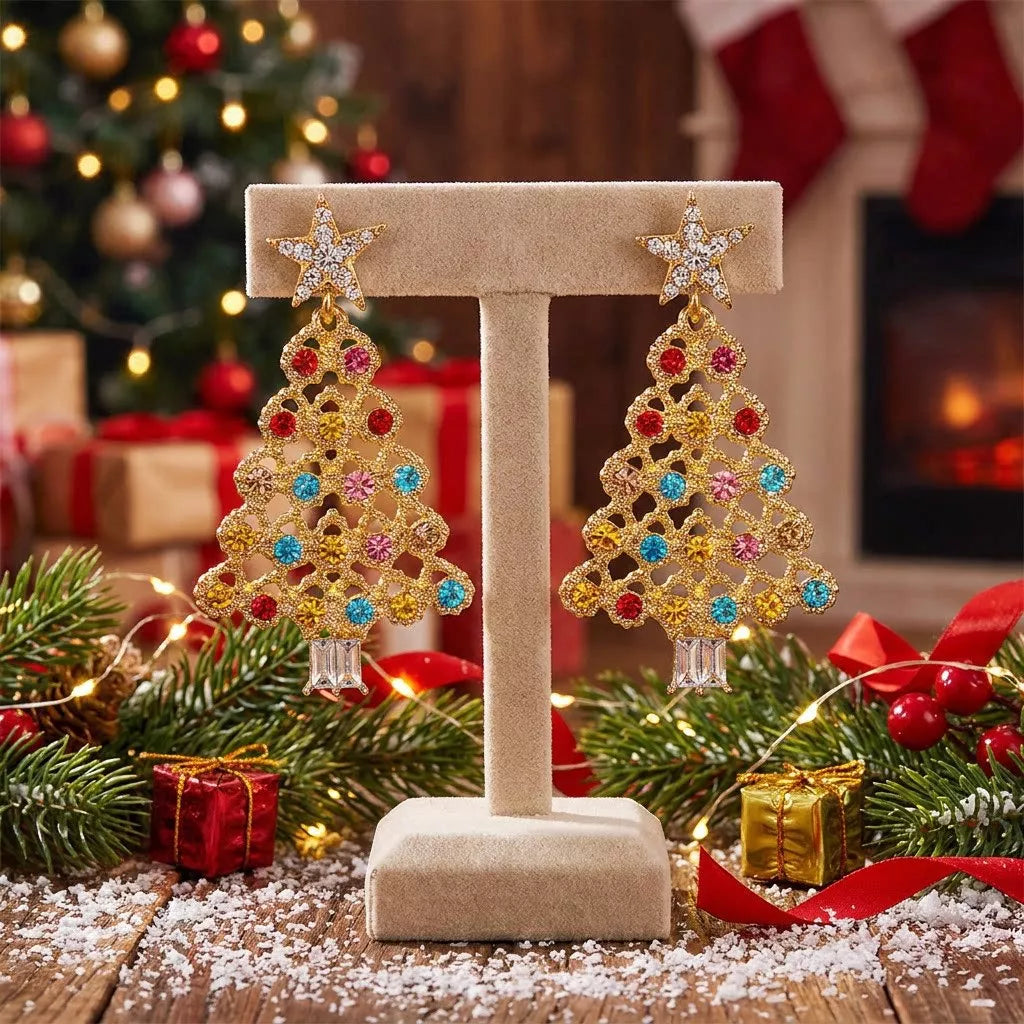
While this article focuses on shirts, the same principles apply to other custom apparel. Hoodies, hats, tote bags, and even jewelry can carry the same kind of personalized design. Some people start with a shirt and then expand into a full line of coordinated items. The beauty of custom work is that you are not limited by what a store decided to stock. You decide the canvas.
I once helped a small band create shirts that matched the artwork from their album cover. They later added custom patches and pins that extended the visual language. The shirts were the entry point, but the ecosystem of merchandise created a cohesive identity that fans recognized instantly. That kind of consistency builds loyalty. It also makes the brand feel intentional rather than accidental.
Final Thoughts on Making It Yours
The best custom design t-shirts are the ones that feel inevitable. They look like they could not have been any other way. Achieving that takes collaboration, patience, and a willingness to iterate. The first draft is rarely the final one. But when you land on the right combination of color, fabric, print method, and design, the shirt becomes more than the sum of its parts.
Padilla innovations LLC, located at 3444 W Del Monte Dr, Anaheim, CA 92804, USA, can be reached at +1 877-790-8982 for those interested in exploring custom apparel and accessories. They focus on personalized fashion, distinctive gifts, and affordable jewelry with an emphasis on unique, standout designs.